A high ICP score means nothing if the contact email bounces or the decision-maker left six months ago. Lead confidence score measures how reliable your prospect data is—contact accuracy, employment verification, email deliverability, and firmographic completeness—so sales teams trust the scores they act on.
This guide explains what lead confidence score measures, how it differs from ICP and Receptivity scores, and why data confidence is the foundation beneath every other scoring metric.
For related context, see AI lead scoring explained, how much bad lead data costs, and how to verify B2B leads before outreach.
What Is Lead Confidence Score?
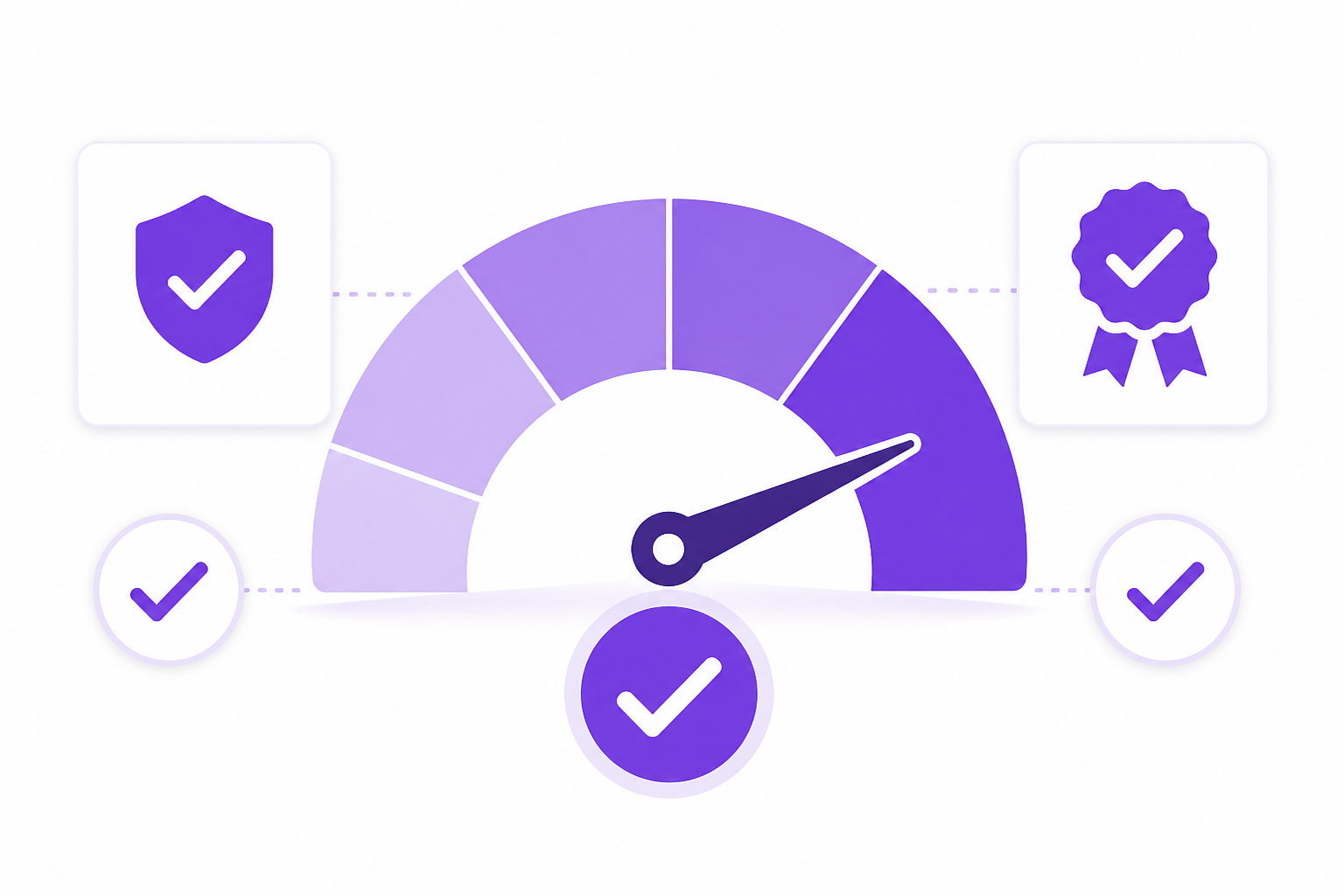
Lead confidence score rates the reliability and completeness of prospect data—not whether the company is a good fit. It answers: Can we trust this contact information enough to send outreach?
High confidence = verified email, confirmed employment, complete firmographics. Low confidence = guessed email, stale title, missing company data.
Lead Confidence Score Components
- Email deliverability: Verified vs. guessed vs. role-based (info@)
- Employment verification: Contact still works at the company
- Title accuracy: Current role matches database record
- Company data completeness: Industry, size, location populated
- Source reliability: Workflow-generated vs. unverified export
- Recency: How recently data was verified or updated
Confidence Score vs. Other Scores
| Score | Measures | Question It Answers |
|---|---|---|
| ICP Score | Profile fit | Is this the right company? |
| Receptivity Score | Timing/signals | Is now the right time? |
| Total Score | Combined priority | Who to contact first? |
| Lead Confidence Score | Data reliability | Can we trust this data? |
Strategy tip: Never outreach below confidence threshold
Set a minimum confidence threshold (e.g., verified email + confirmed employment) before any contact enters a sequence. High ICP score on unverified data damages domain reputation.
Confidence Score Thresholds
- 90–100: Fully verified—email tested, employment confirmed, complete profile
- 70–89: Mostly verified—minor gaps acceptable for Tier B outreach
- 50–69: Partial data—verify before outreach
- Below 50: Unreliable—exclude from sequences
Why Confidence Score Protects Deliverability
Bounced emails from low-confidence contacts damage sender reputation for your entire domain. One bad batch can reduce deliverability for all reps for weeks. Confidence scoring acts as a pre-send gate:
- Score confidence on every contact
- Block contacts below threshold from sequences
- Verify borderline contacts manually or with verification tools
- Track bounce rate by confidence tier to validate thresholds
How AI Improves Lead Confidence
AI workflow platforms improve confidence by:
- Cross-referencing multiple data sources during discovery
- Verifying employment status against current records
- Testing email deliverability before export
- Flagging role-based and generic emails
- Providing expandable reasons for confidence assessment
Frequently Asked Questions
What is lead confidence score?
Lead confidence score measures data reliability—how trustworthy contact information, employment status, and firmographic data are. It is separate from ICP fit or receptivity scoring.
How is confidence score different from ICP score?
ICP score measures whether a company fits your profile. Confidence score measures whether the data about that company and contact is accurate and verified. You need both high ICP and high confidence for successful outreach.
What confidence score is safe for cold email?
Minimum 70 for standard sequences. Tier A outreach should target 85+ with verified email and confirmed employment. Below 70 risks bounces and deliverability damage.
Does Adsaga.ai provide confidence scoring?
Adsaga.ai workflow output includes verified contacts with ICP, Receptivity, and Total scores. Expandable reasons show data sources and match criteria—supporting confidence in score accuracy.
How often should confidence scores be refreshed?
Re-run workflows monthly or before major campaigns. B2B contact data decays 25–30% annually—confidence scores should be refreshed regularly.
Final Thoughts
Confidence score is the trust layer. ICP score tells you who to target. Receptivity tells you when. Confidence tells you whether the data is real. Skip confidence scoring and you will pay in bounces, bad meetings, and wasted SDR hours.